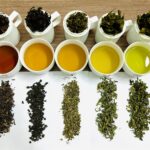
 SPECIAL TEA
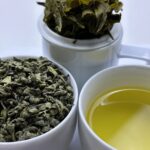 GREEN TEA
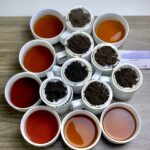 BLACK TEA CTC
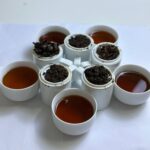 BLACK TEA ORTHODOX
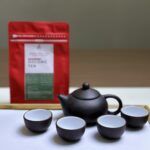 OOLONG LAO TRA
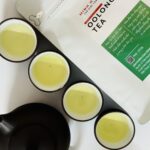 OOLONG THANH TRA
Part 3: Slurping Tea
Using a spoon helps us take a sip of tea along with a lot of air into the mouth through the action of “slurping.” After slurping forcefully, we always exhale, and during the exhalation, the olfactory region at the back of the nose opens up. The tea reaches the throat and is then pushed up to the olfactory epithelium as we exhale. This is called “Retronasal” because the aroma enters the nasal cavity from the back rather than the front. Thus, when we slurp, the liquid splashes to the back of the mouth and hits the throat wall, creating an effect similar to normal swallowing, delivering aromas to the olfactory epithelium almost immediately.
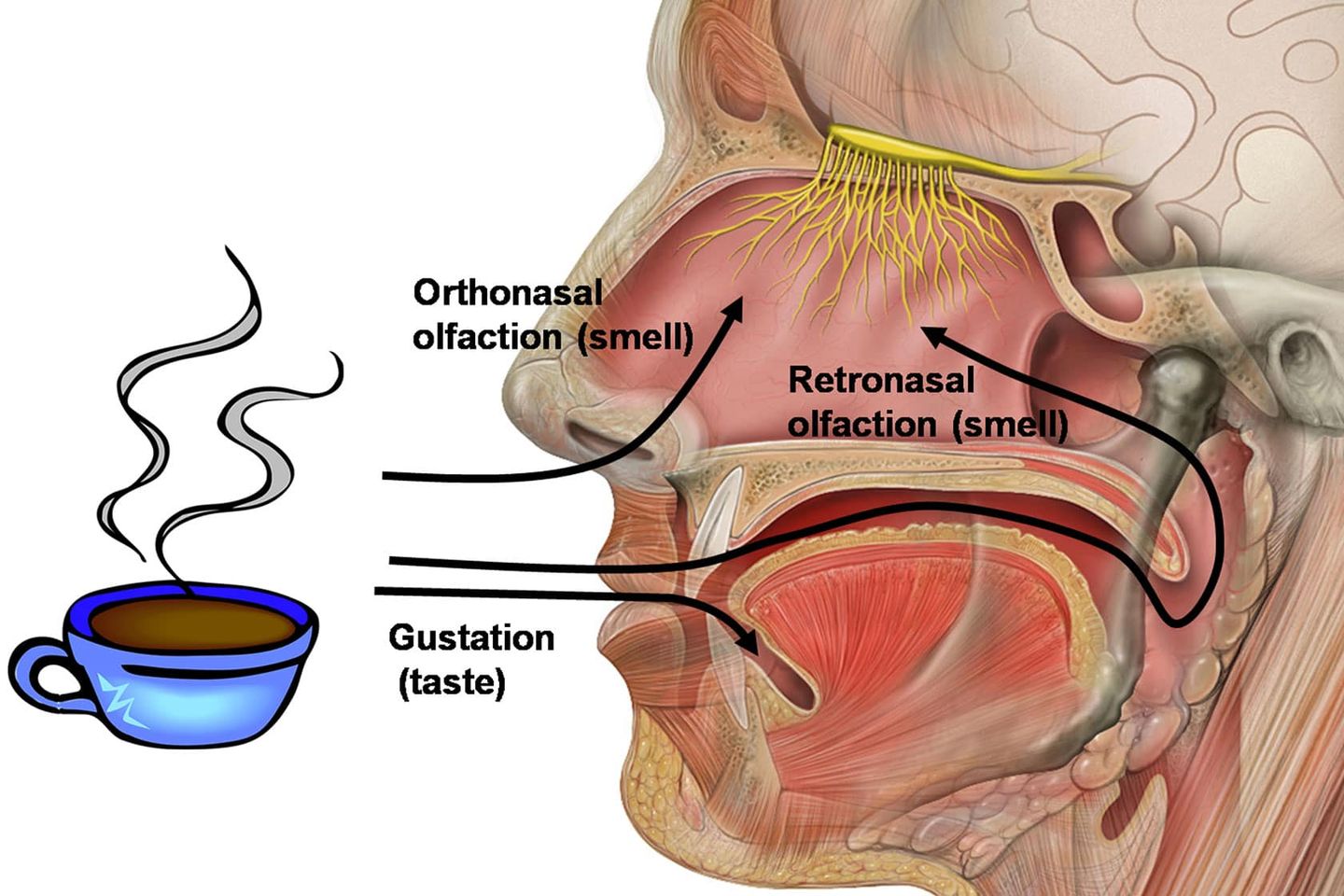
There is a wide variety of different flavors in tea, but slurping helps us easily recognize the presence of these aromas. There are nine attributes in a tea sample, including:
– Aroma
– Flavor
– Aftertaste
– Acidity
– Texture or Mouthfeel (the richness or thickness of the tea liquor)
– Clarity of the tea
– Level of dust or tea particles
– Balance
– Overall impression scored based on their quality
Besides the nine positive evaluation attributes, we also have two attributes used to identify tea faults, including the appearance and color of the tea leaves and the appearance and color of the tea residue.
——
Typically, if tea has a sour taste, it will manifest very early in the first brew because acids are highly hydrophilic, followed by sweetness, and finally, bitterness or astringency.
IKIGAI TEA VIETNAM
Add: 24 Bui Duong Lich St., Quan Bau Wrd., Vinh City, Nghe An Prv., Vietnam
Tel/whatsapp/wechat: +84962231917
Website: www.ikigaitea.vn